Pro techniques for safe mattress and bed disposal
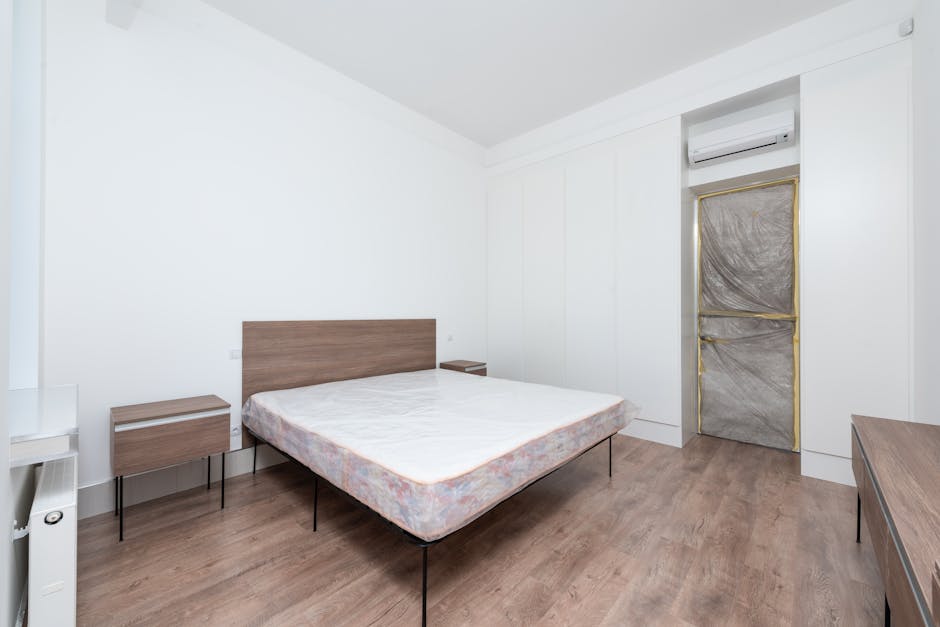
Getting rid of an old mattress or bed sounds simple until you actually try to move one. They are awkward, dusty, heavy, and somehow always bigger than you remember. If you are replacing a worn-out double in a top-floor flat, clearing a spare room, or dealing with a bed frame that has seen better days, the process can quickly turn messy. This guide on Pro techniques for safe mattress and bed disposal shows you how to do it safely, legally, and with far less stress than most people expect.
We will cover the practical steps, common mistakes, compliance considerations, and smarter disposal options so you can make a clean decision without damaging your home, your back, or your schedule. Truth be told, the right method depends on the item, the access, and how quickly you need it gone.
- Why Pro techniques for safe mattress and bed disposal matters
- How safe mattress and bed disposal works
- Key benefits and practical advantages
- Who this is for and when it makes sense
- Step-by-step guidance
- Expert tips for better results
- Common mistakes to avoid
- Tools, resources and recommendations
- Law, compliance, standards and best practice
- Options, methods and comparison table
- Case study or real-world example
- Practical checklist
- Conclusion
- Frequently asked questions
Why Pro techniques for safe mattress and bed disposal Matters
A mattress is not just another bulky item. It is large, fibre-heavy, and awkward to carry, which makes it one of the most commonly mishandled household disposals. Bed frames bring their own problems too: broken slats, sharp fittings, splintered wood, cracked headboards, and heavy metal parts that can twist if lifted badly. Put the two together and you have a moving job that can go wrong in minutes.
Safe disposal matters for a few reasons. First, there is the obvious physical risk. A mattress dragged down narrow stairs can catch on handrails, tear fabric, or knock into walls. A bed frame with protruding fixings can cause cuts or bruises. Second, there is the legal and environmental side. Dumping mattresses or leaving them on the street is not a harmless shortcut. It creates fly-tipping risk, nuisance, and avoidable waste.
There is also the hygiene factor. Older mattresses often collect dust, odours, sweat marks, stains, and sometimes pest issues. If you have ever lifted one on a warm summer morning, you will know the smell can be... memorable. Not exactly what you want lingering in a hallway.
For landlords, letting agents, offices, and anyone managing turnover in a property, the standard needs to be higher again. You want the removal to be tidy, traceable, and quick enough that it does not interrupt the next stage of the move. In that sense, safe disposal is not just about getting rid of something. It is about controlling a small but very real risk.
Key takeaway: the safest mattress and bed disposal method is the one that protects people, avoids property damage, and sends the item to the right disposal route the first time.
How Pro techniques for safe mattress and bed disposal Works
At a professional level, safe disposal usually follows a simple logic: assess, separate, move, and route. The detail changes depending on the item, but the principle stays the same.
First, the mattress and bed are checked for size, condition, access, and any hazards. That includes stairs, tight corners, basement entries, lift size, parking, and whether the frame is assembled or already in parts. A good operator will also consider whether the item can be dismantled on site without causing damage.
Next comes separation. Mattresses are often handled differently from bed frames because they are made from mixed materials. Frames may be wood, metal, upholstered, or a combination. Separating the components makes loading safer and often improves recycling outcomes. It also helps avoid the old "just shove it out the door" approach, which is how people end up with ripped plaster and a badly scratched landing.
Then there is movement. This is where pro technique really shows. Two-person handling, correct lifting positions, measured turns, and pre-cleared paths make a huge difference. If the item is too awkward, straps, dollies, or protective blankets can be used. In some homes, the smartest move is to dismantle first rather than carry the whole bed down in one piece.
Finally, the item is routed to the right destination. Depending on condition and material mix, that may mean reuse, recycling, or general waste handling. If you are arranging a broader clear-out, a service such as furniture disposal can be a sensible fit because beds are often only one part of a larger bulk-item job.
That four-step approach is what separates a tidy professional removal from a rushed one-off job that leaves dust, broken slats, and a frustrated homeowner in its wake.
Key Benefits and Practical Advantages
When done properly, mattress and bed disposal offers more than just a clear room. The practical advantages add up quickly.
- Less injury risk: safer lifting, fewer strained backs, fewer accidental knocks on stairs and door frames.
- Cleaner property: better control over dust, fabric debris, screws, and damaged packaging.
- Faster turnaround: a planned removal is usually quicker than a last-minute attempt to figure it out on the spot.
- Better recycling potential: separating mattress and frame parts can improve the chance that materials are recovered correctly.
- Less stress for residents: especially in flats, shared houses, and tight hallways where every movement matters.
- Reduced nuisance: no leaning mattress left in the communal corridor, no awkward "we will deal with it later" pile in the garden.
There is another benefit people overlook: confidence. When you know the disposal plan in advance, the whole move feels calmer. You are not standing in the hallway at 8:15 in the morning wondering whether the headboard will fit through the door after all. You already know it will, because you planned it.
For larger property jobs, safe mattress disposal can sit neatly within broader clearance work. If you are refreshing a whole home, you may also want to explore home clearance or house clearance options when the bed is part of a bigger declutter or move-out.
Who This Is For and When It Makes Sense
This topic is relevant to more people than you might think. A single mattress can become a surprisingly annoying logistical problem, especially when access is poor or time is tight.
You will likely benefit from pro techniques if you are:
- moving house and need the old bed gone before the new one arrives
- replacing a mattress in a flat with narrow stairs or limited lift access
- clearing a guest room, spare room, or rental property
- dealing with a broken frame, broken slats, or a sagging mattress that should have been retired ages ago
- preparing a property for sale, letting, or refurbishment
- managing multiple bulky items at once, such as wardrobes, sofas, or old furniture
It also makes sense if the item is simply too large or too awkward for a regular car or small van. A rolled mattress is one thing. A king-size divan base, a heavy headboard, and a metal frame with seized bolts are another story entirely.
For people living in flats, the risks are even more practical. You may have shared hallways, neighbours coming and going, and tight turning spaces that make a quick disposal attempt feel like an obstacle course. In those situations, choosing a well-planned removal method is often the difference between a smooth morning and a very long one.
If you are managing a smaller property or a shared tenancy, flat clearance can also be relevant when the mattress is only one piece in a wider end-of-tenancy job.
Step-by-Step Guidance
Here is the practical route we recommend for safe disposal. It is straightforward, but each step matters.
- Inspect the mattress and bed frame. Check for damage, sharp edges, loose screws, pests, heavy staining, or water damage. This tells you whether the item should be wrapped, dismantled, or handled more cautiously.
- Measure access before moving anything. Door widths, stair turns, landing space, lift dimensions, and ceiling height can change the whole plan. A mattress that looks manageable in a bedroom can become a nuisance on a narrow staircase.
- Remove bedding and loose parts. Take off duvets, sheets, mattress protectors, slats, drawers, feet, and storage boxes. It sounds obvious, but people often forget the little bits until the item is half out of the room.
- Dismantle the frame where sensible. Most bed frames are easier and safer in parts. Use the right tools, store fixings in a labelled bag, and keep your work area tidy.
- Protect walls and floors. Blankets, corner guards, or a simple clear path can save you from scuffs and chips. A few minutes of prep is better than touching up paint later.
- Lift with control, not speed. Keep the load close, use two people where needed, and avoid twisting while carrying. If it feels too heavy or unstable, pause and rethink.
- Load logically. Put flatter, lighter items first and avoid crushing soft materials under heavy metal parts. Mattress edges can fold awkwardly, so watch for movement inside the load.
- Route the waste properly. Decide in advance whether the item is going for reuse, recycling, or disposal. If you are mixing it with other household rubbish, think through the whole load, not just the bed.
One small but useful point: keep screws and fittings together in a sandwich bag or small box. Sounds trivial, but anyone who has hunted for a missing bolt two days later knows it can save genuine annoyance. Little things, big difference.
Expert Tips for Better Results
Here is where the job gets noticeably easier. These are the details that professionals tend to rely on, even if they do not advertise them loudly.
1. Plan the route before you lift
Walk the exit path first. Open doors fully, move side tables, and check for anything that could snag fabric or catch a frame corner. A mattress can flex slightly, which helps, but only if you are not forcing it around a sharp bend at the same time.
2. Dismantle more than you think you need to
If a bed looks awkward, it probably is. Breaking it down into headboard, side rails, slats, and base sections often reduces both injury risk and wall damage. It also helps if the lift is small or the staircase is tight.
3. Keep fabric and timber separate where possible
Mixed-material items are harder to process. If you can separate the mattress from the frame, and the frame into its constituent parts, that is usually better for handling and downstream treatment. It is not always possible, but when it is, do it.
4. Use proper protection for upholstered items
Mattresses with stains, tears, or dust build-up can shed debris during removal. Wrapping or bagging can be useful, especially in shared corridors or clean homes where you want to avoid leaving a trail.
5. Think about the full room, not just the bed
Very often, a bed disposal turns into a broader bedroom refresh. A broken chest of drawers, an old wardrobe, a bedside cabinet with one wobbly leg. If that is the case, bundling the job can be more efficient than doing it piecemeal. Services such as furniture clearance are often a better fit when the mattress is one item in a cluster of old furnishings.
And yes, sometimes the expert tip is simply this: if it looks awkward from the start, it probably deserves a more careful plan. Not glamorous, but true.
Common Mistakes to Avoid
Most problems with mattress and bed disposal come from rushing. The item itself is usually not the real issue. It is the assumption that it will be quick.
- Forcing the bed through the exit: this is how doors get scraped and walls get dented.
- Skipping dismantling: carrying a whole bed frame downstairs is a great way to make a manageable job feel ridiculous.
- Ignoring hidden fixings: loose bolts, protruding staples, and sharp brackets can catch skin and snag fabric.
- Leaving the mattress in a communal area: not only messy, but also a nuisance for neighbours and a possible fly-tipping issue.
- Underestimating weight: some older mattresses are far heavier than modern foam models, especially with sprung bases.
- Not checking access first: a staircase turn or narrow porch can change everything at the last minute.
There is also a subtle mistake people make when organising a move: they leave mattress disposal until after the rest of the room is finished. That sounds harmless, but it often means working around the very thing you want out of the room. Much easier to deal with it first.
Tools, Resources and Recommendations
You do not need specialist equipment for every mattress disposal job, but a few sensible tools can make the process safer and less messy.
| Tool or item | Why it helps | Best for |
|---|---|---|
| Adjustable spanner or screwdriver set | Removes common bed fixings and bolts | Flat-pack frames, divan parts, metal frames |
| Work gloves | Improves grip and protects hands from splinters or sharp edges | All bed dismantling and moving tasks |
| Protective sheets or blankets | Helps prevent scuffs to walls, doors, and flooring | Stairs, narrow hallways, shared entrances |
| Zip ties or tape | Keeps bolts, slats, and loose parts together | Multi-part frames, storage beds |
| Measuring tape | Confirms whether the item will fit through access points | Flats, loft rooms, basement access |
| Dust sheet or mattress cover | Reduces debris and makes handling cleaner | Used mattresses, upholstered bases |
For disposal planning, a few service pages can be useful if your mattress forms part of a larger job. If you are clearing out a loft where the bed was stored for years, loft clearance may be more relevant than a single-item removal. For larger household refreshes, waste removal is a sensible all-round option. And if the job is part of a property-wide reset, house clearance or home clearance can be the cleaner path.
If you like to compare options before booking anything, take a look at pricing and quotes so you have a clearer idea of the service structure. It is often easier to decide once you can see the shape of the job.
Law, Compliance, Standards and Best Practice
Mattress and bed disposal in the UK should be handled responsibly, with care for waste duty, property rules, and local expectations. You do not need to become a legal expert to do the right thing, but you do need to avoid casual dumping or unsuitable handling.
Good practice usually means using a lawful route, keeping the material out of communal spaces for longer than necessary, and making sure it goes to an appropriate facility or recovery stream. In practical terms, that means no leaving mattresses beside bins, no pushing frames into public areas, and no assuming someone else will sort it out later.
If the item is from a rental property, shared building, or business premises, the standard is even higher. You want to avoid complaints, keep access clear, and reduce the risk of damage during removal. For business settings, the related business waste removal page may be more useful if beds or sofas are part of a wider furnishings refresh.
Best practice also includes environmental judgement. Mattresses and bed frames are mixed-material items, so responsible handling matters. Where possible, separate components, reduce contamination, and use a route that supports reuse or recycling when suitable. The more care you take at the start, the better the outcome tends to be. Simple as that.
It is also worth checking any building rules if you live in a managed block. Some buildings have service lift rules, designated collection points, or time windows for bulky waste movement. Nothing dramatic, just one of those small admin details that saves a headache later.
Options, Methods, and Comparison Table
There is no single best method for every mattress or bed frame. The right choice depends on size, access, condition, and how much else you need to remove.
| Method | Best for | Strengths | Limitations |
|---|---|---|---|
| Self-removal with van or trailer | Small jobs, easy access, confident DIY movers | Flexible, potentially low cost, immediate | Heavy lifting, time-consuming, disposal route must be arranged properly |
| Retailer collection or replacement take-back | New mattress purchases | Convenient, often paired with delivery | Usually limited to replacement items and specific conditions |
| Local bulky waste arrangement | Planned household disposal | Suitable for some straightforward cases | Timing and handling can be less flexible |
| Professional clearance service | Flats, awkward access, multiple items, time-sensitive moves | Fast, safer handling, less strain, better for mixed loads | May not be the cheapest for a single small item |
For many readers, the practical decision is not about finding the cheapest route. It is about finding the route that gets the bed out safely without turning the hallway into a mess. If the item is part of a larger mix of old bits and pieces, a bundled service often makes more sense than trying to organise three separate solutions.
Case Study or Real-World Example
A typical real-world scenario goes like this. A couple in a second-floor flat decide to replace an old king-size mattress and divan base. The bedroom is at the back of the property, the turn on the stairs is tight, and the lift is not large enough for the base in one piece.
Instead of trying to drag everything out in one go, they clear the route first, remove the bedding, separate the slats and base sections, and measure the stair turn before lifting. The mattress is carried with two people, upright and controlled, while the base is taken apart further at the top of the stairs. One person spots the corners while the other leads.
The result? No chipped paint, no scratched bannister, no unexpected swearing echoing through the stairwell. There is a small pile of fixings bagged up for later, the room is empty by lunchtime, and the rest of the day carries on normally. That is the kind of outcome pro techniques are meant to create.
Another common version happens in a rental property. The old mattress is stained, the bed frame is loose, and the tenant is leaving the same afternoon. In that case, speed and tidiness matter just as much as disposal. A planned clearance avoids a last-minute scramble and helps the handover look professional. Not flashy, just effective.
Practical Checklist
Use this checklist before you start moving anything.
- Measure all doors, corners, stairs, and lifts.
- Remove bedding, drawers, feet, and loose accessories.
- Dismantle the bed frame where possible.
- Bag screws, bolts, and fittings together.
- Protect walls, flooring, and door frames.
- Clear a route from bedroom to exit.
- Confirm whether the mattress needs wrapping or covering.
- Decide whether the item is going for reuse, recycling, or disposal.
- Have two-person lifting in place for bulky or awkward items.
- Check whether the job is part of a larger clearance and plan accordingly.
If you are dealing with more than one room, it can help to step back and look at the whole property rather than only the mattress. Sometimes that is the real time saver.
Conclusion
Safe mattress and bed disposal is really about control: control over movement, control over waste, and control over the result you want. Once you plan the route, separate the parts, and handle the item properly, the whole process becomes much easier than most people expect.
The best approach is rarely the most dramatic one. It is the careful one. Measure first, lift smartly, keep the route clear, and choose the disposal method that suits the item and the property. That is how you avoid damage, reduce stress, and get the room back quickly.
Get a free quote today and see how much you can save.
And if the mattress is only one part of a bigger clear-out, it may be worth looking at broader solutions such as furniture clearance, flat clearance, or even a full home clearance. Sometimes the simplest answer is also the neatest one.
Done well, this is one of those jobs that leaves a space feeling lighter in every sense. Room to breathe again. A small win, but a satisfying one.
Frequently Asked Questions
What is the safest way to dispose of a mattress and bed?
The safest way is to assess access first, dismantle the frame where possible, protect the route, and use a disposal method suited to the item's size and condition. For many homes, especially flats, a planned clearance is far safer than trying to move everything in one piece.
Can I put an old mattress in the regular rubbish bin?
Usually not. Mattresses are bulky, awkward, and generally not suitable for ordinary household bins. They need a proper bulky-item or clearance route, depending on your local arrangements and the size of the item.
Should I dismantle my bed before disposal?
Yes, in most cases. Dismantling the frame makes the item easier to carry, reduces the risk of damage, and helps with loading. It is especially useful for upstairs bedrooms, narrow staircases, and older frames with heavy parts.
How do I move a mattress without damaging walls?
Use two people where needed, keep the mattress controlled and upright when moving through tight spaces, and protect corners and door frames with blankets or sheets. A clear route is half the battle, really.
What should I do with screws and bed fixings?
Keep them together in a labelled bag or small box so they do not go missing. It makes handling safer and also helps if any part of the frame needs to be reassembled, recycled, or identified later.
Is mattress disposal different in a flat compared with a house?
Yes. Flats usually add extra access challenges such as stair turns, lifts, shared corridors, and neighbour considerations. That is why flat clearance can be a useful option for apartment residents.
What if my mattress is stained or damaged?
Stained or damaged mattresses should be handled more cautiously and may benefit from wrapping or covering during removal. The condition does not automatically change the disposal route, but it can affect how carefully the item should be moved and loaded.
Can bed frames and mattresses be recycled?
Sometimes, yes, but it depends on the materials and how mixed the item is. Metal frames are often easier to process than upholstered bases. Separating components improves the chances of a better recovery route.
How do I know whether I need a full clearance service?
If you are disposing of only one item and access is easy, a simpler route may be enough. If you have multiple bulky pieces, awkward access, or a tight deadline, a full clearance service is often the more practical option.
What is the main mistake people make with bed disposal?
They underestimate how awkward the item will be once it leaves the room. The bedroom makes it look manageable. The hallway and staircase usually tell the truth.
Can I combine mattress disposal with other furniture removal?
Yes, and that is often the smarter approach. If you also have wardrobes, drawers, or other bulky items, combining them into one job can save time and reduce disruption. A broader service such as furniture disposal may fit that need better than a single-item solution.
Where should I start if I want a professional quote?
Start by noting the item size, access details, floor level, and whether the bed is already dismantled. That makes the quote process smoother and helps you compare options more accurately. If you want to understand service details before booking, pricing and quotes is a helpful place to begin.