Rubbish Waste Removal — Recycling and Sustainability Commitment
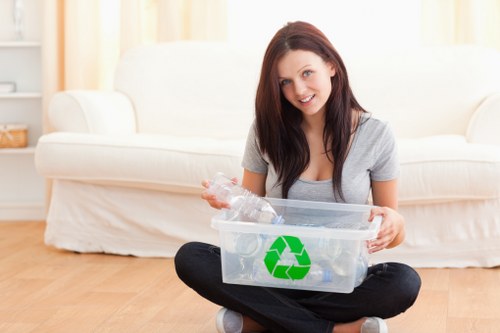
At Rubbish Waste Removal we believe sustainable waste management is central to healthy neighbourhoods and a resilient local economy. Our rubbish removal services combine practical collection with a robust recycling ethos, ensuring that what can be reused or recovered is kept out of landfill. This page explains our recycling percentage target, local transfer station network, charity partnerships and investment in low-carbon vans that reduce the environmental impact of waste collection across the boroughs.Recycling percentage target and measurement
We have set an ambitious, quantifiable target to guide our operations: a year-on-year increase to reach a recycling rate of 65% of collected material within five years. This recycling percentage target is tracked across all depots and transfer points using audits and weight-based reporting. We report progress internally through monthly dashboards and externally in annual sustainability summaries so that our waste removal and rubbish clearance work remains transparent and accountable.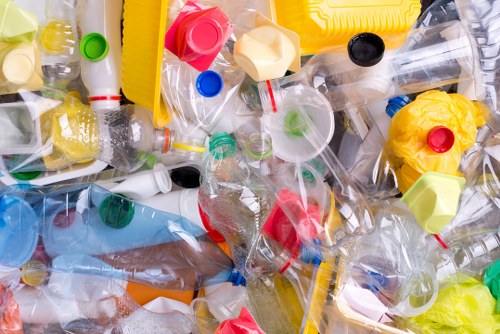 To meet this target we align our collection methods with the local boroughs’ approach to waste separation: separate streams for mixed recycling, glass, food waste and residual refuse. Many borough councils now require householders and local businesses to separate recyclables at source — we support that with tailored routes, clear labelling and collaboration with civic schemes. Our crews are trained to spot contamination early and to advise on simple separation steps that improve overall recycling rates. Clear communication and consistent service are key to success.
Local transfer stations and material sorting
We operate with a network of local transfer stations that act as hubs for consolidation and sorting. These facilities reduce vehicle miles by enabling shorter collection circuits and more efficient onward transport of recyclables. At each transfer station incoming loads are processed to separate metals, paper/cardboard, plastics and construction waste streams, with materials sent to specialist processors. Our local transfer stations are chosen to minimise road travel within urban boroughs and to integrate with regional recycling infrastructure. Part of our operational model is to prioritise reuse and redistribution before recycling. Where items collected in domestic clearances or commercial clean-outs are in good condition, we partner with charities and social enterprises to give furniture, appliances and usable materials a second life. These partnerships not only divert waste from landfill but also support vulnerable residents. By working together with local charity partners, we establish clear flows for donation, refurbishment and resale.
Our commitments include partnering with drop-off points and charity warehouses, scheduling regular bulky-item transfer runs and maintaining a database of items suitable for reuse. Donation logistics are embedded in our workflows: when crews identify reusable goods during a rubbish collection, they record, photograph and route items directly to the right charity partner or secondary market, reducing handling and keeping items in circulation.
Transport is central to emissions from waste services, so our fleet strategy focuses on low-carbon vans and efficient routing. We have invested in a growing number of electric and hybrid rubbish vans, combined with route optimisation software that reduces empty running and improves load factors. These low-carbon vans are used on urban rounds where battery range and stop-start efficiency offer the biggest emissions benefits. Where necessary we supplement electric vehicles with low-emission Euro-6 diesel vehicles to maintain service continuity on longer routes.
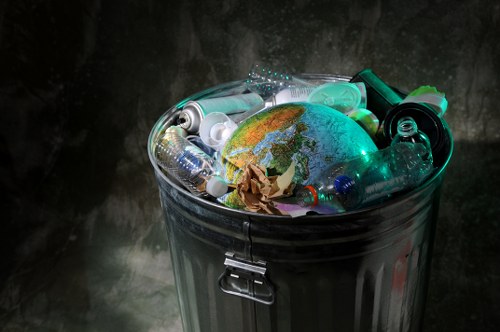 Operational best practice extends to the materials we handle: for construction and demolition waste, we maximise segregation on-site to increase recovery rates of timber, metal and masonry. For household recyclables, we work with borough recycling programmes to match collection schedules and bin formats. Our teams advise on kerbside presentation and help coordinate communal collection points for multi-occupancy buildings, reflecting local council policies and improving overall capture rates.
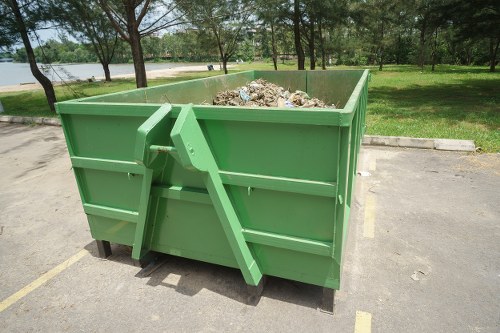 How we deliver sustainability in everyday rubbish removal: our continuous improvement plan includes staff training on resource recovery, investments in cleaner vehicles, and transparent performance targets. We measure diversion rates, greenhouse gas reductions from transport, and tonnes of material reused through charity partnerships. Our aim is to be recognised not just for reliable waste removal but for being a partner in the circular economy, helping the communities we serve move from disposal to resource management.
Key practical actions you can expect from our rubbish collection and waste management teams include:
- Separate collections for dry recyclables, glass and food waste where local borough schemes allow.
- Bulky item reuse programmes with registered charities and social enterprises.
- Low-emission vehicle deployment on urban rounds to cut local air pollution and CO2 emissions.
- Efficient transfer station use to consolidate loads and minimise overall vehicle movements.
We recognise that borough-level policies on waste separation vary, so our teams adapt to local requirements — from colour-coded bin systems to fortnightly food waste pickups — ensuring that our waste removal solutions are compliant and effective. Our recycling percentage target, charity partnerships and low-carbon vehicle strategy work together to reduce landfill, lower emissions and increase reuse.
As a provider of rubbish removal and waste collection services, we are committed to measurable improvement. Expect regular updates on our progress toward the 65% recycling goal and transparent reporting on vehicle emissions reductions and tonnes redirected to charity partners. Practical change and collaborative action with councils, community groups and customers underpin our approach.
To conclude, Rubbish Waste Removal is dedicated to turning waste into resources wherever possible, using local transfer stations, trained crews, charity networks and low-carbon vans to make sustainable waste management simple and effective for the communities we serve. Together, we can reduce landfill, support local people through reuse, and lower the carbon footprint of waste collection across the boroughs.