Health and Safety Policy for Rubbish Waste Removal and Refuse Removal Services
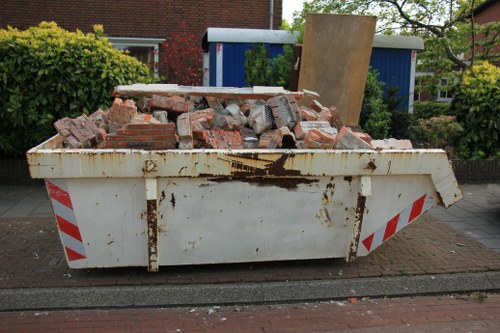 This policy sets out the commitment of the organization to safe, effective and compliant rubbish waste removal and related refuse removal operations. It covers the provision of safe systems of work, responsibilities for health and safety, requirements for personal protective equipment and expectations for staff and contractors engaged in waste removal services. The aim is to minimise operational hazards during rubbish disposal, waste collection and site clearance while protecting workers, clients and the environment.
Scope and Objectives
The procedures apply to all activities classified under waste collection, rubbish disposal and transport of refuse. This includes manual handling of loads, operation of collection vehicles and equipment, segregation of recyclable material, handling of hazardous or unknown wastes, and temporary storage at transfer points. The objectives are to prevent injury and ill health, reduce incidents, and ensure consistent, accountable waste management practices across all projects.
 Key responsibilities are assigned to ensure clear accountability: managers must ensure risk assessments and controls are in place; supervisors must enforce safe working methods; and operatives must follow instructions, wear required PPE and report hazards. The policy is supported by a commitment to regular monitoring, review and continuous improvement to adapt to changing site conditions, differing waste types and evolving health and safety best practice.
Risk Assessment and Control Measures
All rubbish removal tasks will be preceded by a documented risk assessment that identifies hazards such as sharp objects, biological contaminants, chemical residues, manual handling risks, moving vehicles and uneven surfaces. Controls will include safe systems of work, exclusion zones, traffic management and clear segregation of materials to reduce cross-contamination. A hierarchy of controls will be applied: elimination, substitution, engineering controls, administrative controls and personal protective equipment.
 Personal protective equipment is mandatory where risk assessments indicate its need. Typical PPE for waste collection teams includes gloves resistant to puncture and chemicals, high-visibility clothing, safety boots, eye protection and respiratory protection where dust or fumes are present. Equipment checks and maintenance schedules for lifting gear, compactors and vehicles must be documented and recorded. Lone working procedures and emergency communication systems are to be established for remote or after-hours collections.
Controls also address hazardous waste identification. Where materials cannot safely be identified on-site, they must be segregated, contained and referred to specialist procedures. Contractors involved in specific hazardous material removal must hold appropriate qualifications and provide method statements and risk assessments before work begins. Training in safe handling, spill response and containment must be refreshed regularly.
Equipment, vehicles and plant used for waste removal services must be selected to match the task and be maintained in line with manufacturers' guidance. Regular inspections, logbooks and defect reporting systems will ensure that lifting aids, compactors, tippers and containment vessels are safe to use. Operators will be trained and competent in the safe operation of the plant and aware of exclusion zones and signalling procedures to reduce the risk of collisions and crushing injuries.
 Manual handling controls are fundamental to rubbish disposal safety. Tasks should be planned to minimise manual lifts, use mechanical aids where possible, and apply safe lifting techniques when manual lifts are unavoidable. Work rotation, task design and team lifts can reduce musculoskeletal injury risks. Supervisors will monitor workloads and intervene if tasks present unacceptable physical challenge to workers.
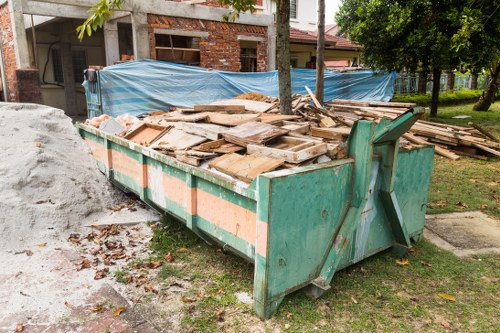 Incident reporting and investigation are essential components of this health and safety policy. All injuries, near-misses and dangerous occurrences must be reported immediately and investigated to identify root causes and implement corrective actions. Lessons learned will be communicated across teams to prevent recurrence, and trend analysis will inform training needs and changes to operational procedures.
Training and competence are core requirements. Personnel involved in rubbish disposal and refuse removal activities must receive induction training, task-specific instruction and periodic refresher training covering safe systems of work, use of PPE, waste segregation, emergency response and environmental protection. Records of training, licenses and qualifications will be maintained and reviewed as part of compliance audits and performance assessments.
Supervision, monitoring and performance measurement will use a range of tools including workplace inspections, toolbox talks, safety observations and internal audits. Waste management performance indicators will include incident rates, near-miss reports, training completion and vehicle/equipment defect closure times. Continuous improvement will be sought by setting targets, reviewing performance and integrating feedback from staff and operational leads.
Policy review and communication: This health and safety policy will be reviewed at least annually or when significant changes occur in operations, equipment or legislation. The policy will be communicated to all employees and subcontractors and made available at sites and in operational documentation. Everyone engaged in rubbish removal, waste collection and disposal is expected to contribute to a culture of safety by following procedures, reporting hazards and suggesting improvements.
Compliance and commitment: The organization is committed to maintaining high standards in environmental protection, worker safety and public health through considered planning and robust operational controls. This health and safety policy for rubbish waste removal and associated refuse removal activities provides the framework for safe practice and continual improvement. It is the responsibility of all personnel to apply the policy in daily operations and to support a safe working environment for the benefit of staff, clients and the community.