Room level checklist for fast bulky rubbish pickup day
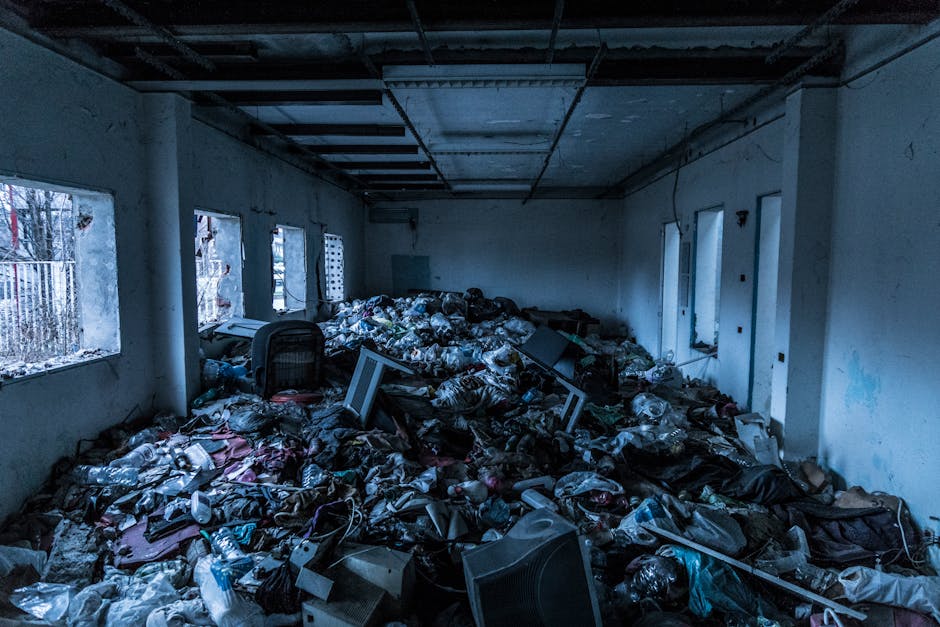
If you are staring at a house full of things that need to go, the day can feel bigger than it really is. That is exactly where a room level checklist for fast bulky rubbish pickup day earns its keep. Instead of rushing from one corner to another with no plan, you work room by room, keep items grouped properly, and make the collection smoother for everyone involved.
Truth be told, bulky rubbish moves faster when the sorting happens before the van turns up. A sofa that is already at the front door, a loft stack that is tied off, a garage pile that has been checked for hazards - that sort of preparation saves time, reduces stress, and helps avoid the classic "Where did this come from?" scramble at the last minute. This guide walks you through the whole process in a practical, human way, from why the room-based method works to the exact checklist you can use on the day.
Whether you are clearing a flat, dealing with a family house, or just trying to reclaim a spare room that has slowly become a storage unit, a bit of structure makes a very noticeable difference. And yes, it can be done without turning the place upside down.
Why Room level checklist for fast bulky rubbish pickup day Matters
Bulky waste is not like putting a couple of bags out for normal collection. It often involves large, awkward, dirty, heavy, or fragile items, and that changes the whole game. A room level checklist for fast bulky rubbish pickup day matters because it turns a messy task into a sequence you can actually manage.
Without a room-by-room approach, people tend to do one of two things: either they over-prepare and waste hours moving items twice, or they under-prepare and leave the collection crew guessing. Neither is ideal. The first burns your energy. The second slows everything down and can create avoidable delays, especially if access is tight, items are mixed with things being kept, or hazards have not been separated.
There is also a simple psychological benefit. When you divide the home into rooms, you stop seeing one overwhelming pile and start seeing smaller wins. That sounds minor, but on a busy morning, it really matters. A quick win in the hallway, then the bedroom, then the garage. Suddenly the day feels manageable.
For landlords, estate agents, families managing a move, and people clearing after a long period of buildup, the room-by-room method also helps keep everyone on the same page. It reduces accidental disposal of items that should stay, and it makes it easier to explain priorities if you are using a professional service such as home clearance or house clearance.
How Room level checklist for fast bulky rubbish pickup day Works
The basic idea is straightforward: instead of clearing by item type alone, you work room by room and prepare each space in a set order. That allows you to identify what is going, what is staying, what needs special handling, and what can be placed where it will be easiest to collect.
In practice, the process usually looks like this:
- Walk through each room and identify bulky items.
- Separate rubbish, reusable items, recyclable materials, and anything hazardous.
- Move approved items to a collection-friendly area, usually near the exit or driveway if that is safe and allowed.
- Break down items where sensible, such as flat-packing a wardrobe or removing drawers from a cabinet.
- Make sure access routes are clear and safe before pickup begins.
That is the whole backbone of it. Of course, the details change depending on the property. A flat on the third floor is not the same as a detached house with a garage and loft. A busy office clearance also has different priorities from a one-room declutter. But the underlying principle stays the same: small steps, clear zones, less chaos.
Most fast pickup days go more smoothly when the work is completed in a sensible order. Front-of-house spaces first, then shared spaces, then storage areas like lofts, sheds, and garages. Why? Because those are the areas where things are easiest to forget, and the easiest places for a collection day to bog down if they are left until the end.
Key Benefits and Practical Advantages
A room level checklist is not just about being tidy for the sake of it. There are real, practical advantages.
- Less wasted movement: You do not keep carrying the same item back and forth.
- Faster loading: Items are already grouped and ready.
- Lower risk of mistakes: It is easier to spot what should not be removed.
- Better safety: Hazards, sharp edges, and heavy objects can be managed before the pickup starts.
- Cleaner communication: Everyone knows which room is complete and which room still needs attention.
- Improved recycling outcomes: Materials can be separated more sensibly when you are working from a room-based plan.
There is another benefit people sometimes overlook: it helps with decision fatigue. That's the mental exhaustion of deciding about every single item all at once. If you sort one room at a time, your brain gets fewer mixed signals. The process feels simpler, and frankly, a bit less exhausting.
For larger clearances, this can also support better value. If you have already separated furniture, white goods, and loose waste before booking, the collection team can assess the work more efficiently. If you want to compare broader disposal options first, the article on DIY vs professional removal gives useful context for deciding what to tackle yourself and what to hand over.
Who This Is For and When It Makes Sense
This approach is useful for a lot of people, not just those planning a big house clear-out. In our experience, it makes the most sense when there are multiple rooms, large items, a short collection window, or limited help on the day.
You will probably find it especially helpful if you are:
- clearing a family home after years of accumulation
- preparing for a move or end-of-tenancy handover
- emptying a loft, garage, or shed
- dealing with old furniture or broken household items
- trying to speed up a landlord, tenant, or estate sale process
- working through office furniture or mixed business waste
It is also a smart method when you are trying to avoid the classic "we thought that was staying" moment. Let's face it, nothing slows a pickup day faster than discovering someone has moved the wrong chair, the wrong box, or the family lamp that was definitely not meant to leave the building.
For smaller jobs, you may not need a full room-by-room plan. But once bulky items start stacking up, even a short checklist can make a noticeable difference. If your main issue is one room only, such as a spare room or garage, the method still works. You just scale it down.
Step-by-Step Guidance
If you want the day to run quickly and with less backtracking, this is the sequence to follow. It is simple, but simple is often what works.
1. Start with the easiest room
Begin somewhere visible and manageable, such as a hallway, lounge, or spare room. That first completed space gives you momentum. You will notice the difference straight away; the room stops looking like a project and starts looking like progress.
2. Sort items into clear groups
Use four basic groups:
- Remove now - bulky rubbish, broken furniture, damaged household items
- Keep - belongings staying in the home
- Donate or reuse - usable items with life left in them
- Special handling - anything hazardous, sharp, electrical, heavy, or awkward
This stage is where many people get slowed down. Be decisive. If you are unsure, put the item into a "review later" corner, but do not let that corner spread across the room like a mild disease.
3. Check access routes
Make sure doorways, stairwells, hallways, and external paths are clear enough for safe movement. If a sofa has to pass a tight turn, check it before collection day starts. It is much better to find that out in daylight than halfway through a lift.
4. Flatten or dismantle where appropriate
Some items can be made easier to remove by taking them apart a little. Remove drawers, detach legs, fold down bed frames, or secure loose doors. Do not force anything unsafe. The point is to help the process, not to create a repair job.
5. Move bulky items to their pickup position
Place items in the agreed collection point only if it is safe and practical to do so. In a home, that may be the front room, garage, or driveway. In a flat, it may be just inside the building entrance or another accessible point. The key is to avoid double handling.
6. Separate anything that cannot go with the standard load
Hazardous materials, sharp objects, chemicals, batteries, paint, and certain electricals need extra care. If you are not sure, stop and check before mixing them with regular bulky rubbish. For more detail on careful handling, see the step-by-step guidance in safe hazardous waste handling at home.
7. Do a final room sweep
Before the collection team arrives, give each room one last look. Open cupboards. Check behind doors. Look under beds. The final sweep catches all the forgotten bits - the small chair, the cracked mirror, the box hiding in plain sight.
Expert Tips for Better Results
The quickest jobs are rarely the ones where people work hardest. More often, they are the jobs where someone thought ahead. A few small habits can make the whole thing smoother.
- Label room zones. Even a simple handwritten note on masking tape helps. "Garage keep", "Loft remove", "Lounge donate".
- Keep tools handy. Tape, bin bags, gloves, marker pens, and a screwdriver can save repeated trips.
- Use a doorway staging point. If space is tight, set one safe staging area for items ready to go.
- Plan around heavy items first. Sofas, wardrobes, and mattresses are awkward. Move them before the small stuff creates clutter around them.
- Protect floors and walls. Old blankets or cardboard can help when moving items through narrow spaces.
- Check for hidden extras. A cabinet may contain books, cables, or old paperwork. People always forget the junk inside the junk, don't they?
Another useful tip: keep recycling and disposal decisions simple on the day. If an item clearly belongs in a different stream, separate it. If not, do not spend twenty minutes debating a broken chest of drawers. That is how the clock disappears.
If you are dealing with mixed furniture, the information on furniture clearance and furniture disposal can help you think through what should be removed together and what may need different handling.
Common Mistakes to Avoid
A lot of delays on pickup day come from a handful of predictable mistakes. Avoiding them is half the battle.
Leaving sorting until the crew arrives
This is the big one. If the team has to wait while you decide what stays and what goes, everything slows down. A few unknowns are normal. A whole house of unknowns is not.
Mixing hazardous and general bulky waste
Batteries, chemicals, some paints, gas-related items, sharp fragments, and certain electronics need more care. Mixing them with regular bulky rubbish is unsafe and can complicate collection.
Blocking access routes
It sounds obvious, yet it happens all the time. A clear path matters more than people expect, especially in older properties, terraced homes, or upper-floor flats.
Forgetting the storage spaces
Lofts, under-stairs cupboards, sheds, and garages are the classic hiding places. They also tend to contain the heaviest and dustiest things. If you leave them to the end, you may run out of time or energy.
Assuming everything can be lifted alone
Some items are awkward, not just heavy. A bulky sofa or a waterlogged cabinet can twist in your hands and cause damage or injury. If something feels unsafe, stop.
Not checking what is reusable
Not every unwanted item is rubbish. A working desk, decent shelving, or a usable chair may be suitable for reuse or donation. If you want to reduce waste in a practical way, the article on bulky waste item removal is worth a look.
Tools, Resources and Recommendations
You do not need a warehouse full of equipment. A few basic tools and a sensible setup will do the job for most homes and small premises.
| Tool or resource | Why it helps | Best used for |
|---|---|---|
| Marker pen and labels | Makes room zones obvious | Multi-room clearances, family homes, offices |
| Heavy-duty bin bags | Useful for smaller loose waste around bulky items | Mixed room clear-outs |
| Gloves | Helps protect hands from dust, splinters, and sharp edges | Lofts, garages, sheds |
| Screwdriver or basic tool set | Lets you dismantle simple fittings safely | Furniture, shelving, bed frames |
| Blankets/cardboard | Protects floors and doorframes during movement | Narrow hallways, stairs, tight corners |
| Rubbish sacks or sturdy containers | Keeps loose bits grouped and tidy | Small accessories, cables, offcuts |
For properties with a lot of storage clutter, you may also want to read the pieces on loft clearance and garage clearance. They are handy if your biggest obstacles are the spaces people put off for months. Or years. No judgement.
If sustainability matters to you, separating materials before pickup can help with reuse and recycling. The site's recycling and sustainability page is a good companion piece when you are deciding what should be diverted from disposal.
Law, Compliance, Standards, or Best Practice
For household bulky waste, the practical rule is simple: only hand over items that are safe to collect, clearly identified, and lawful to remove. If you are dealing with business waste, shared properties, or anything potentially hazardous, extra care is sensible. The exact obligations can vary depending on location, item type, and who owns the waste, so it is wise not to guess.
As a general best practice in the UK, keep the following in mind:
- Duty of care matters. Waste should be passed to a legitimate carrier or service that handles it properly.
- Hazardous items need special handling. Do not mix them casually with general bulky rubbish.
- Fire and trip safety matter. Do not leave stacked items where they block exits or create unstable piles.
- Electrical items should be checked separately. Some can be reused or recycled differently.
- Shared buildings may have rules. Flats, managed blocks, and commercial sites often have access or disposal requirements.
If you are arranging collections for a workplace, the page on business waste removal can help frame what matters in a commercial setting. For homes, practical safety guidance in the health and safety policy and insurance and safety pages is also worth reviewing before a larger removal.
Best practice is not about being perfect. It is about keeping people safe, avoiding accidental damage, and making sure waste is handled responsibly. Simple, but not always easy when a room is full of old furniture and the clock is ticking.
Options, Methods, or Comparison Table
There are a few ways to approach bulky rubbish pickup day. The right one depends on space, timing, and how much you want to do yourself.
| Method | Best for | Pros | Trade-offs |
|---|---|---|---|
| Room-by-room checklist | Homes with multiple rooms or mixed items | Highly organised, fewer mistakes, faster on the day | Needs a bit of planning before pickup |
| Item-by-item sorting | Smaller jobs | Simple to start | Can become messy and repetitive in larger spaces |
| Storage-area first | Lofts, garages, sheds | Good for hidden clutter | May leave visible rooms unfinished until late |
| Professional-led clearance | Large, heavy, or time-sensitive jobs | Less lifting for you, usually faster | Needs clear instructions and access planning |
For many people, the best answer is a mix: sort room by room, but prioritise the heaviest or most awkward items first. That keeps the day moving without turning it into a marathon of random decisions.
Case Study or Real-World Example
Picture a typical two-bedroom flat with a hallway, lounge, spare room, and a small storage cupboard. The resident has a broken bedside cabinet, an old sofa, a couple of unsalvageable chairs, some boxed clutter, and a collection of odds and ends from a recent move. Nothing extraordinary. Just the sort of job that looks manageable until everything is standing in one place.
The pickup day starts with the hallway, because it is the path everything will travel through. That gets cleared first. Next comes the lounge, where the sofa is checked, cushions removed, and loose items grouped into keep, remove, and recycle. The spare room is then sorted into a "keep" corner and a "go" corner. Finally, the cupboard is opened and the forgotten bits are pulled out: tangled extension leads, a cracked shelf, a box of random cables.
Because the items were sorted room by room, the collection is straightforward. Nothing has to be moved twice. Nothing gets mistaken for something staying behind. The resident is not darting around trying to remember where the lamp was supposed to go. The whole thing feels calmer. Still busy, yes, but not chaotic.
That is the real value of the room level checklist. It does not make the job glamorous. It just makes it work.
Practical Checklist
Use this checklist on the day, or the evening before if you want to save yourself some pressure.
- Walk through every room and note bulky items.
- Separate keep, remove, donate, recycle, and special-handling items.
- Check all access routes: hallways, stairs, doors, lifts, and entrances.
- Move items into the agreed pickup position only if safe to do so.
- Remove loose contents from furniture where needed.
- Flatten, dismantle, or secure items where practical.
- Keep hazardous or uncertain items separate.
- Label each room or staging pile clearly.
- Do a final sweep of cupboards, under beds, and behind doors.
- Keep water, keys, and any building access details ready.
- Confirm what should not be taken before the team arrives.
- Take a last look at the route from each room to the exit.
Expert summary: The fastest pickup days are the ones where the decision-making is done before the lifting starts. Clear room zones, simple labels, and safe access will save more time than last-minute rushing ever will.
Conclusion
A room level checklist for fast bulky rubbish pickup day is one of those small systems that pays off quickly. It keeps the work organised, reduces stress, and helps the collection happen with fewer delays and fewer awkward surprises. More importantly, it gives you a sense of control on a day that can otherwise feel a bit too busy for comfort.
If you remember only one thing, make it this: sort the room before you sort the truckload. That single habit changes the whole rhythm of the day. And once you have done it once, you will probably never want to go back to the old scattergun method.
Get a free quote today and see how much you can save.
And if the job feels bigger than expected, that is perfectly normal. Start with one room, then another. Bit by bit, it gets done.
Frequently Asked Questions
What is a room level checklist for bulky rubbish pickup day?
It is a room-by-room plan that helps you sort, group, and prepare bulky items before a collection. Instead of tackling the whole property at once, you work through each room in order so the pickup is faster and less messy.
Why is a room-by-room approach better than sorting everything together?
It reduces confusion, makes it easier to spot what is staying, and helps you avoid moving the same item more than once. For larger homes or mixed clearances, it is usually far more efficient.
Should I move all bulky items to the front door before collection?
Only if it is safe and practical to do so. In some homes that works well, but in others it can create blocked routes or awkward lifting. Always keep access safe first.
What should I do with items that might be hazardous?
Keep them separate and do not mix them into regular bulky waste. If you are unsure whether something needs special handling, err on the cautious side and check before pickup day.
How far in advance should I start preparing?
For a small job, the evening before may be enough. For several rooms, a day or two in advance is usually better. The more cluttered the property, the more helpful an early start becomes.
Can a room level checklist help lower costs?
It can, because the collection is often smoother and less time-consuming when items are already organised. That said, pricing depends on many factors, so the main benefit is efficiency and fewer avoidable delays.
What rooms should I sort first?
Start with the easiest visible rooms, then move to the most cluttered or storage-heavy spaces. Hallways, lounges, and spare rooms are often a good starting point because they help build momentum.
What about lofts, garages, and sheds?
They are often the most useful spaces to include in a checklist because they hide bulky items people forget about. They also tend to need extra care due to dust, awkward access, or heavier items.
Do I need special tools for pickup day?
Usually not many. Labels, gloves, bin bags, a screwdriver, and something to protect floors are often enough for a typical home clearance. For more complex jobs, a few extra tools can help.
Is the checklist useful for flats as well as houses?
Yes. In flats, it is especially helpful because access can be tighter and the route out often matters more. You may need to think more carefully about lifts, shared hallways, and building rules.
How do I know what to keep and what to remove?
Use a simple rule: if it is clearly staying, keep it in a marked area. If it is clearly going, stage it for removal. If you are undecided, put it aside briefly rather than letting it slow the whole room down.
What is the biggest mistake people make on bulky rubbish pickup day?
Leaving sorting until the last minute. It sounds harmless, but it usually leads to delays, confusion, and extra lifting. A little prep goes a long way, honestly.
Can this checklist work for business clearances too?
Yes, the same room-based logic works for offices and commercial spaces, though you will usually need to pay more attention to access, equipment, and waste separation. Business waste often needs a more careful setup.
What should I do after the bulky rubbish is removed?
Do a final clean of the cleared rooms, check for any missed items, and decide whether anything remaining should be reused, recycled, or stored properly. It is a good moment to reset the space while it feels open and manageable.